
Plan Landscape Design Before Construction Begins

A successful landscape project starts well before construction equipment arrives. The early planning stage is where homeowners can clarify what is not working, how they want to use their property, and what matters most in the finished space. This is why it’s important to plan landscape design before construction begins. Taking time to define those priorities can make the path from the first conversation to the finished landscape clearer.
You do not need to arrive with a complete design or every material selected. A useful starting point is a simple picture of the changes you want and the way you hope to live outdoors. From there, a thoughtful design-and-build process can bring the priorities, scope, and construction plan together.
Start with what you want to change
Walk through the property and notice what feels awkward, underused, or disconnected. Maybe the route from the back door to the patio does not work well. Perhaps there is no comfortable place to gather, or the yard does not offer the privacy you want. Write down the issues that affect everyday use before focusing on individual features.
It can help to separate needs from possibilities. A need might be a practical connection between the house and a seating area. A possibility might be a fire feature or an expanded garden. Keeping both in view gives the design conversation room to explore ideas while staying grounded in the reasons for the project.
Describe how you want to use the space
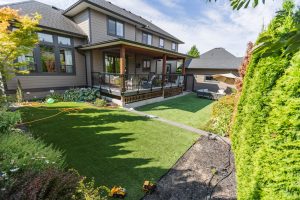
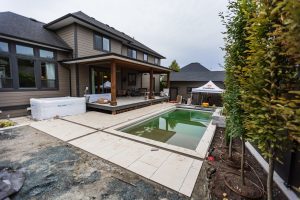
Think about an ordinary day as well as a special occasion. Would you like a place for meals outside, a quiet seating area, room for children to play, or a garden you can tend? Consider who will use each area and how people should move between the home, patio, lawn, and planting.
These details help shape a layout that supports your routines. Rather than choosing features one at a time, consider how the parts can work together. The result can feel like a connected extension of the home instead of a collection of separate additions.
Make a practical wish list
Collect ideas that appeal to you, but note what you like about each one. A photo might show a material, a sense of privacy, a planting style, or the relationship between a patio and the house. Adding a short note helps explain the idea without assuming the same feature is right for your property.
A wish list is most useful when it also shows priorities. Mark what matters most, what would be nice to include, and what you are still unsure about. This gives the design team a clearer basis for discussing options and making trade-offs as the plan develops.
Consider the whole property
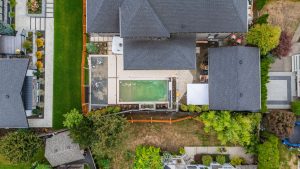
A landscape design needs to respond to the home and site, not just to a favourite feature. Think about entrances, existing circulation, changes in elevation, views, planting, and the connection between indoor and outdoor areas. The project may also need to account for how the space is used throughout the year.
Looking at the property as a whole can reveal how one choice affects another. For example, a gathering area may influence where a path should run, how planting creates a sense of enclosure, or where lighting would be useful. Coordinating these decisions early helps the overall design feel intentional.
Clarify the project scope
Before construction, it is important to understand what the project includes. A clear scope connects the agreed design to the work being planned, including the areas and features that are part of the project. It also gives everyone a shared reference point as details are discussed.
Ask questions when something is unclear. Confirm which areas are included, how the major elements relate to one another, and what decisions still need to be made. A well-understood scope helps homeowners and the project team communicate about the same plan.
Talk about communication and pricing
Homeowners should know how decisions, updates, and questions will be handled as the project moves forward. Clear communication makes it easier to understand what is happening and where a decision is needed. It is worth discussing expectations before construction begins, rather than waiting until a question arises on site.
Pricing should be presented with the project scope in view. When the design and scope are clear, homeowners can better understand what the price covers and how any proposed changes relate to the agreed work. Fixed pricing and clear communication are part of the experience Jovak aims to provide.
Choose a team that can carry the plan through
Landscape design and construction are connected stages of one project. Working with a team that brings both together can help maintain continuity from the initial conversation through the build. Homeowners can discuss the design, scope, and construction with people who understand how the pieces fit together.
Ask how the team will learn about your priorities, explain the design, define the work, and keep you informed. The right process should make it easier to move from ideas to a plan you understand and feel comfortable approving.

Prepare for your first design conversation
Before meeting, gather a few photos of the property and examples that show what you like. Make a short list of what is not working, what you hope to do outdoors, and the changes that matter most. You can also note questions about scope, pricing, timing, and communication.
You do not need to have every answer. The purpose of the conversation is to understand your property and priorities, then explore how a design-and-build plan could address them. Starting with clear goals gives the discussion a useful direction.
At Jovak Landscape & Design, we bring landscape design and construction together in-house, guiding homeowners from the first design conversation through the finished build. We focus on great design, fixed pricing, clear communication, and craftsmanship. If you are considering a landscape project, begin with what you want to change and how you hope to use your outdoor space.