
What Is the White Stuff on My Pavers? Efflorescence Explained
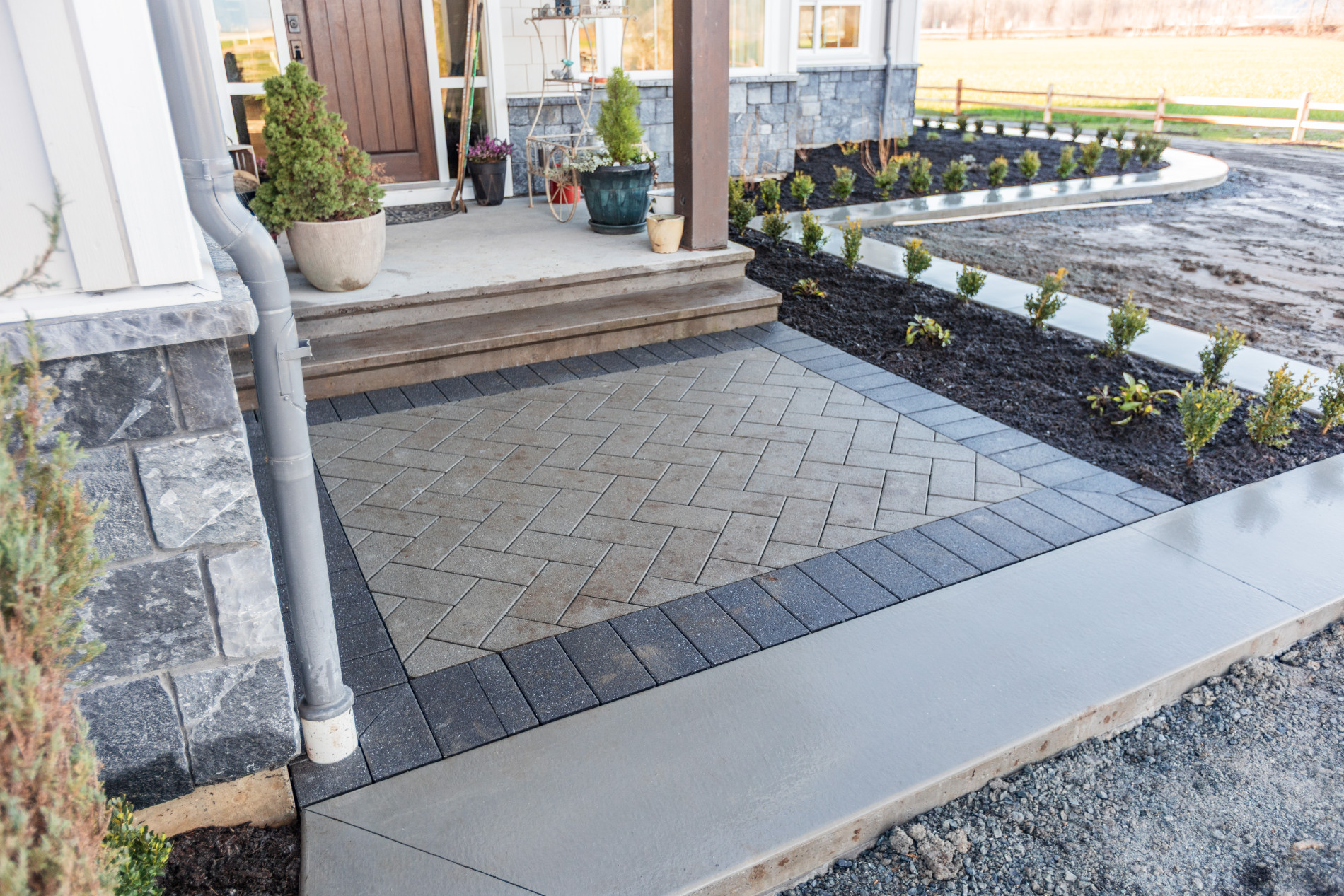
If you’ve just had a new patio, walkway, or driveway installed and noticed a white, chalky film on the surface, don’t stress!
A lot of homeowners ask us the same question: What is the white stuff on my pavers?
The short answer is this: it’s usually efflorescence.
That may sound alarming, especially after investing in a new hardscape project, but in most cases, efflorescence is completely natural and not a sign that your pavers are failing. It’s a common part of the curing and weathering process in concrete products.
In this article, we’ll explain what efflorescence is, why it happens, whether you should worry about it, and how to remove it safely.
What Is Efflorescence?
Efflorescence is a white or light grey powdery deposit that can appear on concrete pavers, retaining wall blocks, natural stone, and other masonry products.
It happens when water moves through the paver, picks up naturally occurring salts from within the material or the base below, and brings those salts to the surface. As the water evaporates, it leaves the salts behind, creating the white haze or chalky residue that you see.
In other words, efflorescence is not paint, mould, or staining from something spilled on the surface. It’s a mineral deposit caused by moisture movement. Here in the Fraser Valley, this reaction may happen quicker, especially in winter months as we do receive significant rainfall then!
Why Do Pavers Get Efflorescence?
Concrete pavers are made with materials that naturally contain soluble salts. When moisture gets into the paver system, those salts can be carried upward and deposited on the surface.
This is why efflorescence often shows up after:
- Rain
- Heavy watering
- Snow and freeze-thaw cycles
- New installation curing periods
- Moisture moving through the base or bedding layers
It’s especially common on new paver installations, which is why homeowners often notice it within the first several months after a project is completed.
Is Efflorescence a Problem?
Usually, no.
Efflorescence is mostly an aesthetic issue, not a structural one. It does not mean your pavers were installed incorrectly, and it does not usually mean the product is defective.
That said, there are a couple of important things to understand:
- It can make a beautiful new project look blotchy or unfinished
- It may come and go for a period of time as the pavers or concrete dries out and the salts work their way out to the surface.
- In most cases, it lessens naturally over time
This is one of the most important things homeowners should know: efflorescence often stops on its own as the materials finish curing and the available salts are depleted.
How Long Does Efflorescence Last on Pavers?
This is one of the most common follow-up questions we hear.
Unfortunately, there’s no exact timeline because it depends on:
- The paver product
- Site drainage
- Moisture conditions
- Weather exposure
- The amount of soluble salts present
- How recently the project was installed
In many cases, efflorescence becomes less noticeable over time and will gradually disappear through normal weathering. Some installations clear up fairly quickly. Others can take longer, especially in wetter climates or in areas with repeated moisture exposure.
Here in British Columbia, where wet conditions are common, homeowners may notice efflorescence sticking around longer than they expected simply because the hardscape is exposed to more moisture.
Does Efflorescence Mean My Pavers Were Installed Wrong?
Not necessarily.
Efflorescence can happen even when a paver project is installed properly using quality materials and correct methods. Because it is tied to the natural movement of water and salts through concrete products, it can show up on perfectly well-built patios, walkways, and driveways.
However, drainage still matters.
If water is constantly saturating the area due to poor runoff, overwatering, or improper grading, efflorescence may be more persistent. So while efflorescence itself is usually normal, excessive moisture on the surface can make it worse.
Can You Remove Efflorescence from Pavers?
Yes, and there is a correct method to do this!
In some cases, the best first step is simply to wait and monitor it, especially if the installation is new and the efflorescence is mild. Since this is a natural process, aggressive cleaning too early can sometimes cause more harm than good.
When removal is needed, common approaches include:
1. Dry Brushing
For light surface buildup, a stiff brush may help remove some of the powdery residue.
2. Natural Weathering
Rain, sun, and normal wear often reduce efflorescence over time.
3. Manufacturer-Approved Efflorescence Cleaner
For more stubborn cases, a cleaner specifically made for concrete pavers may be needed. This is usually the safest option when the residue is not coming off naturally.
What Should You Avoid?
This is just as important as knowing what to do.
Avoid:
- Harsh acids not approved for pavers
- High-pressure washing that can damage the surface or jointing material
- Random household cleaners
- Sealing the pavers before the efflorescence issue is properly addressed
Using the wrong cleaning method can damage the pavers, affect the colour, or create an uneven finish.
Should You Seal Pavers with Efflorescence on them?
No.
If efflorescence is still active, sealing over it can trap the issue beneath the surface or make the appearance worse. In most cases, it’s better to wait until the pavers have dried properly, the salts have largely worked their way out, and the surface has been cleaned correctly.
If you’re considering sealing, it’s worth getting professional guidance first.
How We Talk to Homeowners About Efflorescence
At Jovak Landscape & Design, we believe in being transparent about what to expect from a hardscape project, and efflorescence is one of those things that can catch people off guard if nobody explains it upfront.
If you see white residue on your pavers, it does not automatically mean something is wrong.
Most of the time, it means your pavers are going through a natural process that can happen with concrete products. The key is identifying whether it’s simple efflorescence or something else, then choosing the right next step.
When Should You Call a Professional?
You should reach out if:
- The white residue is getting worse over time
- You’re unsure if it’s actually efflorescence
- You want it removed without damaging the pavers
- You’re considering sealing the surface
- You’re seeing drainage issues around the hardscape
A professional can help determine whether you should wait, clean, or correct an underlying moisture issue.
Final Answer: What Is the White Stuff on My Pavers?
In most cases, the white stuff on your pavers is efflorescence, a natural mineral deposit caused by moisture drawing salts to the surface of the concrete.
It’s common, it’s usually temporary, and it’s typically not a sign of failure.
If you’re dealing with it now, the good news is that there are safe ways to handle it, and in many cases it improves with time.
If you want help identifying it or figuring out the best next step for your patio, walkway, or driveway, our team would be happy to take a look.